Mobile Hydraulic Hose Repair & Hydraulic Repair
We fix blown hoses, leaking fittings, PTOs, pumps and cylinders where the truck is working.
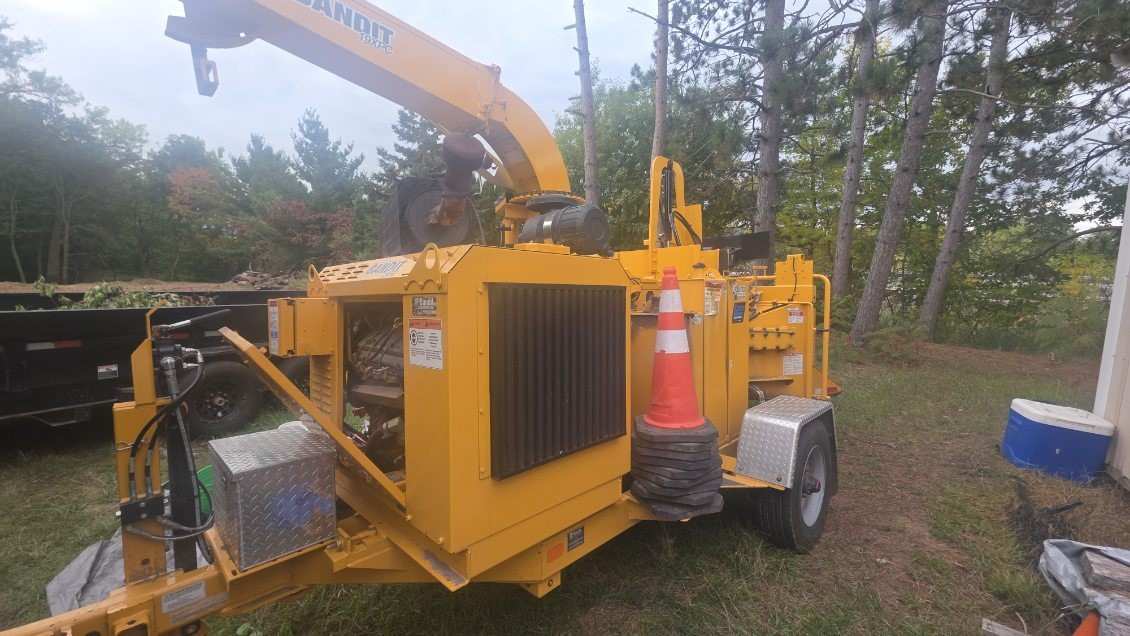
Hydraulic hose repair is usually urgent. A hose bursts, oil sprays across the frame, and a dump truck, roll-off or plow truck stops in the middle of the job. Neuman Truck Service comes to the job site, the pit or your yard at any time of day. We replace the hose and get the system working again. Each new hose matches the original for size, pressure rating and fitting ends.
Hoses are the most common call, but we cover the whole hydraulic system. That means the PTO that drives the pump, the pump, control valves, cylinders and the lines between them. It includes wet kits on tractors that pull dump trailers and walking floors. It also includes dump body hoists, box truck liftgates, and plow and wing hydraulics on winter trucks. For fleets, a hose and fitting walkaround during fleet maintenance catches the worn ones early.
Hydraulic Work We Do On-Site
- Hydraulic hoses: We replace blown, chafed, cracked and weeping hoses with the correct size, pressure rating and fittings. If a hose was rubbing, we reroute or sleeve it.
- Fittings and adapters: Leaking JIC, O-ring face seal and pipe thread fittings, cracked adapters and worn O-rings.
- Wet kits: The PTO, pump, reservoir, valve and lines that let a tractor run a dump trailer, live floor or other hydraulic trailer.
- PTOs: PTOs that won't engage, won't disengage, leak or make noise, along with the air or electric shift controls behind them.
- Hydraulic pumps: Low flow, whining, cavitation and leaking shaft seals. We diagnose these with pressure and flow in mind before we replace any pump.
- Cylinders: We replace leaking or drifting cylinders on hoists, liftgates and plows on-site. If we can reseal a cylinder where it sits, that's an option too.
- Control valves: Sticking spools, leaking valve sections, broken cables and faulty electric-over-hydraulic controls.
- Liftgates: Hydraulic power units, hoses, cylinders and the electrical side that feeds the pump motor.
How Mobile Hydraulic Hose Repair Works
When a hose blows, stop the system and keep people clear of it. Then call (651) 491-4136. Tell us what the equipment is, which hose failed and where it is. A photo of the hose ends and any printing on the hose helps us get the replacement right on the first trip.
On-site, the tech finds the failure and checks the hoses next to it for the same wear. They also look for the reason it failed, such as a rub point, a missing clamp, heat from the exhaust or a twisted routing. You get an estimate, and then the new hose goes on. The tech fills the system with the right fluid, cycles it and checks the connections for leaks under pressure. Never check for a pinhole leak with your hand. High-pressure oil can penetrate skin.
Signs of Hydraulic Trouble
- Slow or weak operation: A box that raises slowly or a liftgate that struggles with a load. That points to a worn pump, a bypassing valve, low fluid or a slipping PTO.
- Cylinder drift: A hoist or plow that settles on its own usually means worn cylinder seals or a leaking valve.
- Whining or foaming: Pump cavitation from a restricted suction line, low oil or fluid that's too thick in the cold.
- Wet hoses and fittings: Weeping fittings and hoses with cracked covers are early warnings. They're cheaper to replace before they burst.
Cold Oil, Plow Season and Spills in Minnesota
Hydraulics work hardest here in the two seasons that are toughest on them. In winter, cold oil is thick and pumps cavitate on startup. Hoses that flex in the cold crack at the crimp. Plow trucks on I-35, US-8 and county roads run their hydraulics for hours in salt spray. Once the snow starts, those are the hoses we replace most. In spring and summer, dump trucks and wet kit tractors on construction projects along I-94 and I-694 run hoists and live floors all day.
A blown hose also leaves oil behind. MnDOT's own spill reporting guidance tells its crews to report any release of hydraulic oil to the Minnesota Duty Officer, regardless of quantity. If a hose dumps oil on a road, a job site or near a storm drain, contain what you can. Then check which reporting rules apply to your operation. On a project near Stillwater or out past Elk River, we stop the leak first.
How Much Does Hydraulic Repair Cost?
A single hose with standard fittings is a modest job. A long hose routed through the frame takes more parts and more labor. So does a pump replacement, or a PTO that we have to remove from the transmission. Specialty fittings, the amount of fluid needed to refill the system, travel and after-hours timing are the other things that move the number.
Whatever the job, you get an estimate before work starts. Hydraulic repairs carry a 12-month warranty, and you can pay by credit or debit card on-site.
Hydraulics and the Rest of the Truck
Hydraulic jobs often touch other systems. A liftgate that won't lift may have a hydraulic problem, or a weak battery and a corroded cable. That second kind of fault is truck electrical repair work. Cracked hoist mounts or wet kit brackets need welding and fabrication. Live floor and dump trailers also need regular trailer repair. If a hose blows on the road and leaves you stuck, call us for emergency truck repair.
Where We Provide Hydraulic Repair
Hydraulic Repair is available 24/7 from our Pine City base to every town below, across Minnesota and northwest Wisconsin. Pick your area for local highways, fleets and contacts.
Minnesota
- Pine City, MN
- Mission Creek, MN
- Hinckley, MN
- North Branch, MN
- Sandstone, MN
- Mora, MN
- Cambridge, MN
- Wyoming, MN
- Forest Lake, MN
- Moose Lake, MN
- Blaine, MN
- St. Paul, MN
- Minneapolis, MN
- Cloquet, MN
- Maple Grove, MN
- Stillwater, MN
- Woodbury, MN
- Elk River, MN
- Eagan, MN
- Bloomington, MN
- St. Cloud, MN
- Burnsville, MN
- Duluth, MN
- Hastings, MN
- Lakeville, MN
- Shakopee, MN
- Faribault, MN
- Red Wing, MN
- Brainerd, MN
- Owatonna, MN
- Virginia, MN
- Grand Rapids, MN
- Hibbing, MN
- Willmar, MN
- Rochester, MN
- Mankato, MN
- Albert Lea, MN
Wisconsin
Customer Reviews
Feedback
Called in with a tire emergency and got Ryan on the phone — genuinely great experience. He was insightful, patient, and gave excellent customer service, even though we ended up not using them for the repair. You can tell they run a friendly, helpful shop. Would definitely call them again next time we're in a bind.
Volare Logistics ADMIN★★★★★Had an air brake problem called the guy he walked me through steps to help me out which I greatly appreciate, he took time out of his day to help so definitely worth 5 stars
Asphaltcowboy21★★★★★Called about a no start issue at 9 PM Came out within an hour away from his family to help us out was there till 2 AM trying to trace electrical issue ,and then came back in the morning to finish diagnosing and repairing the truck . So grateful . Did not price gouge was very courteous and professional, and went above and beyond.Got us back on the road !
Aleks Fedykiv★★★★★Fast, knowledgeable technicians did amazing service.
Melissa Bach★★★★★They answered at 5:30 pm And listened to my issue and took care of my driver at a reasonable price.
Tricia Bahr★★★★★If you want service done right the first time call these guys, best in the business, and won't leave you stranded.
Jesse Pahl★★★★★Great service for a great price, highly recommended.
matt clemons★★★★★I've used Ryan multiple times and has came in clutch in a few emergency situations where my air lines snapped and came out in winter middle of night to repair. Very professional and gets the job done.
Danny Jamison★★★★★
Hydraulic Repair FAQs
Questions
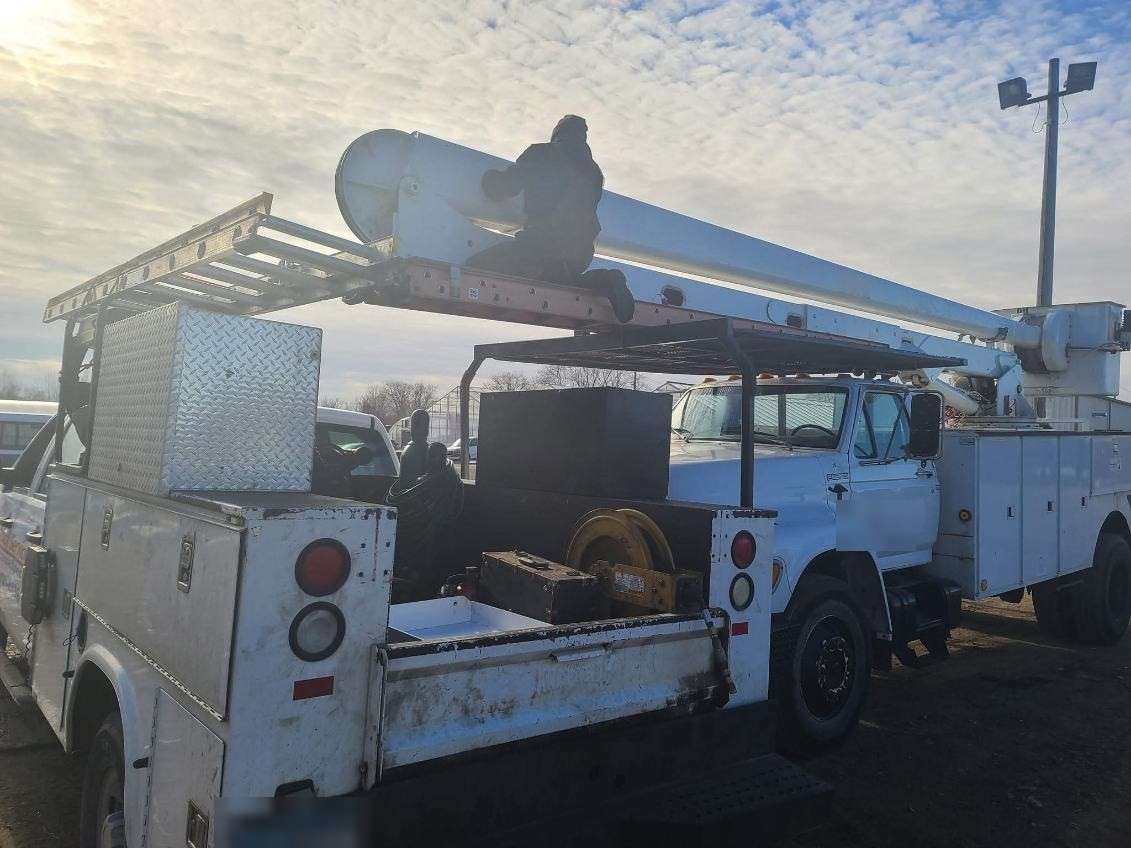
Can you replace a hydraulic hose on a job site?
Yes. Job sites, gravel pits, farms and yards are where most hydraulic hose calls happen. The tech brings the hose, fittings and fluid to replace the failed line and test it under pressure.
Do you work on wet kits and PTOs?
Yes. We repair wet kit hoses, pumps, valves and reservoirs on-site, plus the PTO that drives them and its air or electric shift controls.
Do you repair hydraulic cylinders?
We replace leaking or damaged cylinders on-site, and we can reseal some cylinders where they sit. A cylinder with a scored barrel or bent rod needs machine work, so a new cylinder is usually the faster way back to work.
Why do my hydraulic hoses keep blowing in winter?
Cold makes hose covers stiff and brittle, and repeated flexing cracks them, usually near the fitting. Hoses that rub on the frame or sit near the exhaust fail faster too. Proper routing, clamps and sleeves make a big difference.
What type of hydraulic fluid should I use?
Use the fluid the equipment maker specifies. Mixing types or using a heavy oil in winter causes sluggish operation and pump wear. If you're not sure what's in the system, the tech can check before adding more.
Need Hydraulic Repair? We Come To You.
24/7 On-Site Service
Request Service
Get In Touch
Send us the details of your truck or fleet, and we will contact you with an estimate.